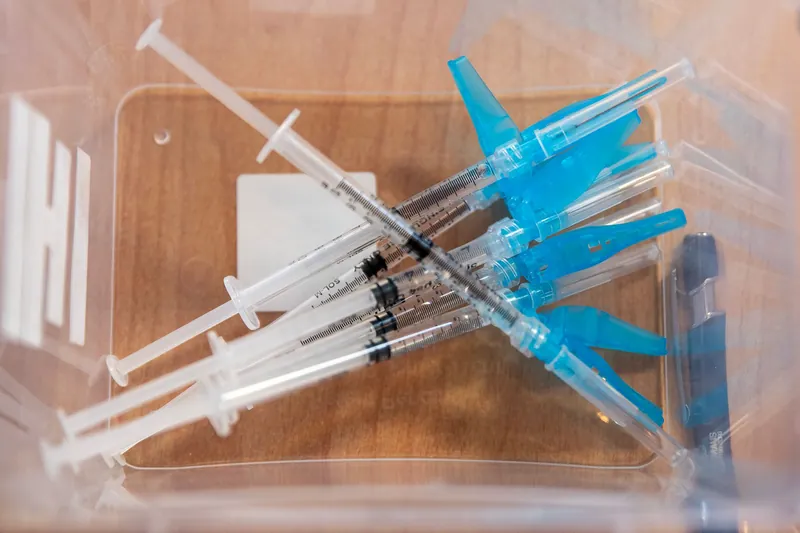
Needle and Sharps Cleanup
Yards, encampments, parks and rental properties receive needle and sharps cleanup.
See needle and sharps cleanupGet needles, pipes, baggies and unknown residue removed from a home, rental, workplace, vehicle or outdoor area in Naranja. Keep people and pets away, and do not touch sharps or powder.
Drug paraphernalia cleanup is a careful removal and cleaning service for drug debris in an affected area. Needles, foil, syringes, baggies and pipes are collected, while related residue and biological contamination are cleaned.
You may need this service at a house, rental property, apartment, hotel, job site, vehicle or exterior area. The search starts with visible debris and continues through drawers, nearby openings, furniture, bedding, air vents and flooring edges where sharps can be concealed. Technicians immediately secure each needle in a rigid sharps container. They package other hazardous materials according to condition and relevant waste requirements.
Drug debris removal is not the same as meth lab cleanup. Loose paraphernalia and limited surface residue may fit this service. Strong chemical odors, stained containers, unusual glassware, pressurized cylinders or signs that drugs were produced require a different response. Do not enter or disturb a suspected drug lab. Follow instructions from law enforcement or the local fire department before any cleaning process begins.
Workers carefully inspect possessions for concealed needles and, where conditions permit, separate salvageable belongings from contaminated materials.
Crews arrive in unmarked vehicles and limit attention around a home, rental, workplace or business while the affected areas are cleared.
A clear explanation of search areas, cleanable items, possible removals and relevant pricing factors helps you decide how to move forward.
The cleanup scope, photographs and available disposal documents give property owners, insurance companies, managers and other responsible parties a clear record.
Removal becomes necessary when drug debris or residue presents a possible exposure to people who enter, repair or clean a property. These are common examples:
A family may need help clearing the affected area after finding sharps, powder or smoking materials in a bedroom, garage, bathroom or vehicle.
Safe preparation of a guest room for future use may require cleaning, a thorough sweep and removal of any hidden sharp objects.
Restrooms, storage rooms, break areas and grounds can contain sharp objects or residue that should not be left for regular staff to collect.
Needles, pipes, foil or baggies may be left behind in bedrooms, cabinets, closets and furniture after a move-out or eviction.
Preventing contact comes first. Do not disturb the items unless you must act because of an immediate danger. Then use these steps:
Call (888) 440-9227No credible public guide publishes a cost range devoted to drug paraphernalia cleanup. Published general biohazard cleanup guides are offered only as context. Their typical national range is $3,000 to $5,000 and their residential average runs from $1,800 to $4,500 in those sources. Many residential projects are listed from $2,500 to $8,000 depending on scope, with $1,500 to $25,000 representing the complete published span. A site assessment must set the actual price because collecting a few sharps is very different from cleaning residue across several rooms.
These ranges come from published national cost guides, not from a site visit. After an on-site assessment, the price for your property is determined and shared with you before cleanup begins.
Ask about cost: (888) 440-9227Coverage depends on the policy, the cause of the contamination and who is responsible for the property. Ask the insurance company about biohazard cleanup before assuming the work is covered.
Keep photos taken from a safe position, the cleanup scope, invoices and disposal records. The records can show the discovered conditions and the cleaning that took place.
Homeowners or renters insurance is usually the first place to ask about cleanup costs. After a death the estate often pays, and in a rental the owner usually arranges the cleanup. Check directly with the program about eligibility for your particular incident and cleaning expense before expecting repayment.
A property owner or manager often arranges cleanup in a rental or common area, then addresses tenant responsibility under the lease and local rules.
How contamination occurred may change the way a renters or homeowners policy applies. When you report the problem, identify the affected area and confirm what supporting records are needed.
Cleanup begins with controlling access, then continues through a detailed search, collection, surface treatment and a closing inspection. The steps are adapted to the materials discovered and the type of property.
Cleanup technicians identify the affected areas, visible sharps, possible residue, porous materials and spaces that need a careful search.
Access is limited, and protective gear is selected for puncture hazards, unknown residue and any related biological contamination.
Using appropriate tools, workers pick up exposed needles without recapping or bending them and put them straight into a puncture-resistant sharps container.
Workers inspect rooms and surrounding areas in an organized way, searching bedding, floor edges, drawers, furnishings, vents and other potential hiding places.
Workers match hard-surface cleaning to the residue and keep an EPA-registered disinfectant wet for the label contact time when biological contamination exists.
Porous materials that cannot be cleaned completely are recorded and isolated in packaging that limits movement of residue or sharps during removal.
Appropriate containers hold sharps and other hazardous waste before the materials follow a disposal path allowed by relevant rules.
The closing inspection covers cleaned surfaces and checks for missed objects, followed by preparation of available records or images for the owner.
Call at any time. Your drug paraphernalia cleanup specialist answers the phone, describes what happens next and works with you on a start time.
Hidden items and substances with unknown contents make used syringes, contaminated material, glass fragments and unidentified residue serious health hazards.
Needles can be concealed in bedding, clothing, upholstery, bags, boxes, drains and piles of belongings. Putting your hand into an area you cannot see fully may cause harm.
An abandoned needle may hold blood and can pierce your skin. Even when an item appears old, use care because the CDC reports that hepatitis B survives on surfaces for at least seven days.
Keep unsecured sharp objects and contaminated trash out of household bags and recycle bins. The type of material and applicable state requirements determine its packaging, transport and waste disposal.
Can you clean it yourself? Never approach unidentified powder as if it were household dust. For one discovered needle, prevent people from approaching and use local public health directions on community sharp disposal. The chance of wider contamination or a sharp puncture decreases with professional cleanup if residue, multiple items, bodily fluids or hidden sharps are found.
Timing depends on the quantity of debris, the extent of its spread and whether concealed sharps or residue call for close cleaning. Collecting one visible cluster is quicker than searching an entire property and removing porous materials.
| Scene | Typical time on site |
|---|---|
| A limited area containing only clearly seen items | Generally the quickest type of cleanup appointment |
| One room with hidden sharps or residue | Longer because searching and surface cleaning are needed |
| Large debris amounts, several spaces or porous belongings | Staged removal can extend the job beyond one work period |
A smell may come from chemicals, smoke residue, bodily fluids or spoiled material, but odor by itself does not reveal the substance. Never sniff containers, lean toward the source or mask it with fragrance. If you experience irritation or dizziness, detect a harsh chemical odor or see an active reaction, leave the space and request emergency guidance.
Source removal and cleaning of impacted surfaces come before any air quality work. After identifying the hazard, technicians may use HEPA-filtered equipment on appropriate particles. Do not put an ordinary home vacuum on unknown powder. When chemical production may have occurred, routine biohazard or odor work is not appropriate. The property requires the correct hazardous material assessment.
Under OSHA Bloodborne Pathogens Standard 29 CFR 1910.1030, work involving possible blood contact requires training, protective equipment and exposure controls.
An EPA-registered disinfectant appropriate to the target organism should remain visibly wet for its complete label contact time when biological material is involved.
Florida calls it biomedical waste, and the term covers absorbent materials saturated with blood or body fluids. The Florida Department of Health's rules control packing, transport and treatment, so it cannot go in household trash. The disposal route can differ for sharps, unknown chemicals and ordinary debris, so each type should be identified before transport.
Local health and building rules can affect how a contaminated room is cleaned and when it can be used again, so mention any notice you have received from the city or county. Do not disturb material that might be evidence or part of current drug production unless the relevant authority confirms cleaning may begin.
The full drug paraphernalia cleanup guide covers what is cleaned or removed, odor and air quality work, and the rules that apply in Florida and Miami-Dade County.
Read the full drug paraphernalia cleanup guide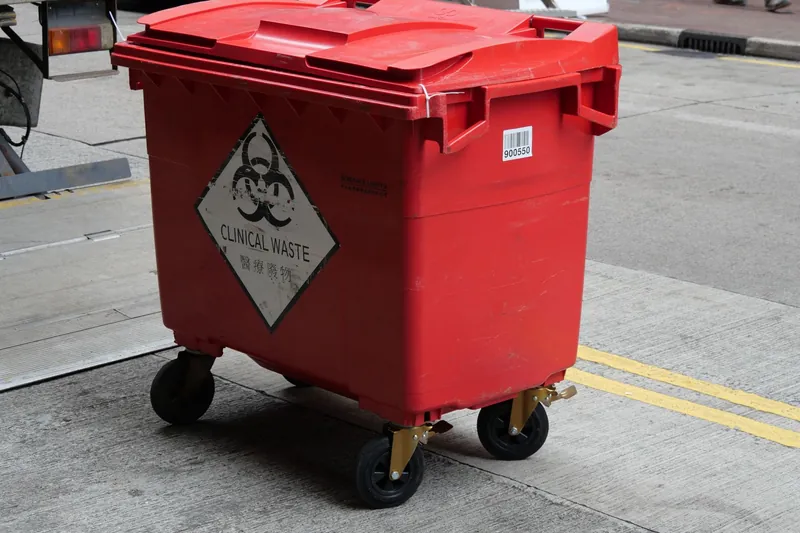
Containment, entry and cleanup plans can be influenced by local housing, population and access details.
The 75.5% renter share means many cleanup calls may involve lease responsibilities, building access, and approval from more than one person.
The local median home dates to 2007, and modern ventilation can carry odor beyond the room where an incident occurred.
In Naranja, 203 older adults live alone, so relatives may need clear photos and records when managing cleanup from afar.
The local housing stock is 36.4% single-family, making discreet equipment routes important in buildings with shared entrances.
Ask on the call about cleanup options for neighboring communities and ZIP codes.
Yards, encampments, parks and rental properties receive needle and sharps cleanup.
See needle and sharps cleanup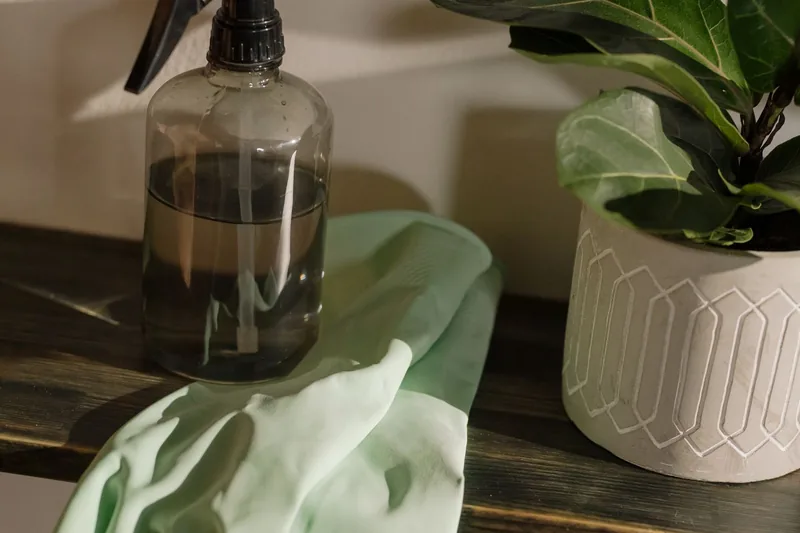
Rooms, vehicles and exposed surfaces receive decontamination following fentanyl exposure.
See fentanyl decontamination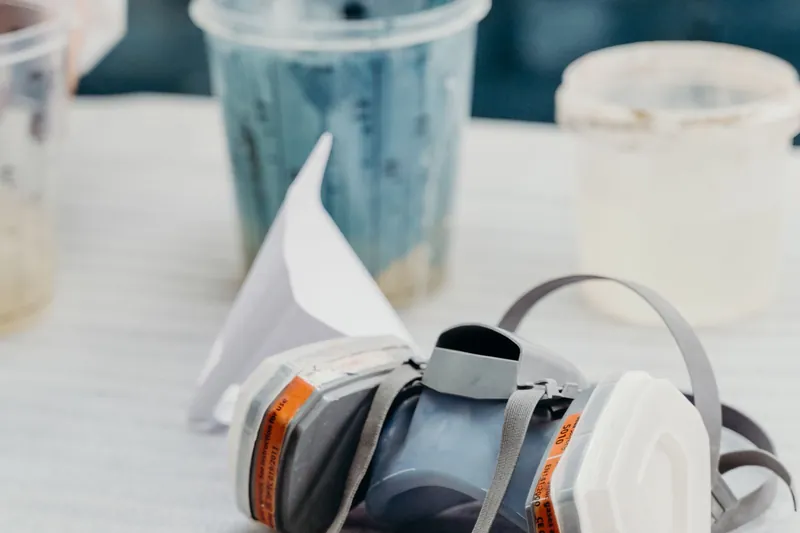
Residue tests, decontamination and clearance procedures are all part of meth lab cleanup.
See meth lab cleanup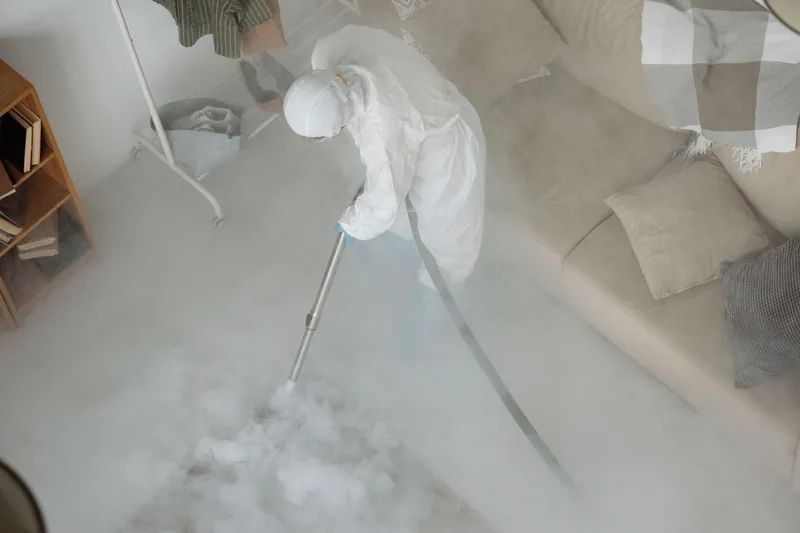
Complete decontamination treats the room, its surfaces and the air after a hazardous or infectious exposure.
See biohazard decontamination
Pickup and disposal of biohazard waste use containers that are sealed and labeled.
See biohazard waste disposal
Medical waste removal includes disposal through facilities approved for treatment.
See medical waste removal
Hotels, rental properties and Airbnb units receive biohazard cleanup.
See hotel, airbnb and rental biohazard cleanup
Eviction and tenant move-out cleanup of waste, fluids and filth.
See eviction and tenant move-out biohazard cleanupCollecting visible objects from one controlled space is quicker than inspecting every room. Contaminated furniture, heavy waste, hidden needles and residue of an unknown type all require more labor. Before estimating timing or deciding if one work period is enough, the cleanup team must inspect the affected areas.
Keep loose sharps and unknown residue out of regular household trash bags. A sharp can puncture the bag and injure anyone who lifts it. Sharps belong in an appropriate puncture-resistant container and should follow the local disposal route. Packaging requirements can differ for other waste, especially if you find an unidentified chemical, residue or fluid.
While residue and needles are collected, keep away from the designated work zone. If workers can isolate the affected area and do not suspect chemical danger, you might stay in another part of the property. Follow the site instructions given after the assessment, and keep children and pets away until the area is released.
A careful search looks through debris and checks seams, bedding, carpet, vents, drawers and floor borders that can conceal needles. A search does not assure you that workers will find each small object. The risk that hazardous objects are left behind decreases with proper lighting, appropriate tools, puncture safeguards and another inspection.
Coverage varies with the policy terms, contamination cause and control of the property. Ask the insurance company directly how the policy treats drug residue, affected belongings and biohazard cleanup. Save the work scope and bills together with available waste records and pictures taken from a safe location. A deductible, exclusion or tenant responsibility may affect who ultimately pays.
No. The scope for paraphernalia includes discarded materials, sharp objects and small amounts of residue. A suspected meth lab can involve chemical contamination, reactive materials and fumes throughout the structure. Leave the building and seek guidance from law enforcement or the fire department if you notice production signs, pressurized cylinders, stained tools or unusual chemical containers.
You can request respectful, discreet drug paraphernalia cleanup 24 hours a day, and crews use unmarked vehicles.